The Changing Landscape of UK Horse Racing Not On Anymore
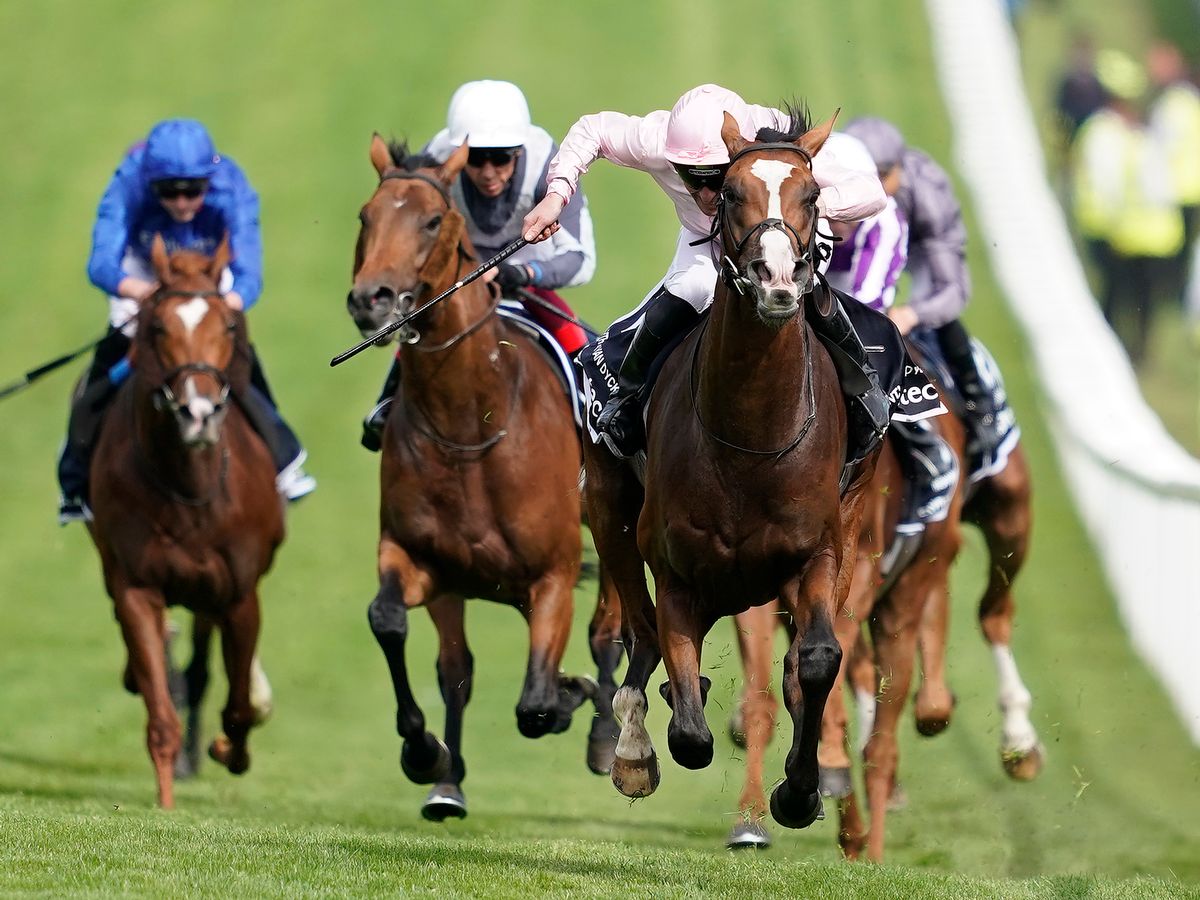
The Changing Landscape of UK Horse Racing: Not On Anymore
Horse racing has long been a cornerstone of British culture and sporting tradition. From the thrill of the Grand National to the elegance of Royal Ascot, horse racing captures the imagination of millions. However, the landscape of horse racing in the UK is shifting. Not only are we witnessing changes in audience demographics and interests, but also the way people engage with the sport has transformed, particularly with the rise of UK Horse Racing Not on GamStop non GamStop horse racing betting options.
Historical Significance of Horse Racing
Horse racing’s roots in the UK can be traced back over a thousand years. The first recorded race took place in 1174 during a festival in England. Over the centuries, the sport has evolved, but its core elements of competition and excitement remain. Horse racing plays a vital role in the economy, contributing significantly to local businesses and tourism, especially during major events.
Changing Audience Demographics
Today, horse racing is not just an activity for the elite; it has seen a democratization, attracting a broader audience. Factors like the accessibility of information through digital platforms and social media have increased the sport’s visibility. Younger generations are increasingly fascinated by the sport, seeking experiences that go beyond traditional spectating. This shift demands innovation in presentation and engagement strategies from racing organizations.
Challenges Facing UK Horse Racing
Despite its rich history, the UK horse racing industry faces significant challenges. Declining attendance at live events is concerning for organizers and stakeholders. The proliferation of alternative betting options and online gaming has also contributed to this decline. Many enthusiasts prefer the convenience and comfort of wagering from their homes, which has led to some questioning the traditional model of horse racing events.
The Rise of Online Betting
As audiences shift online, so do betting behaviors. The rise of platforms offering non GamStop horse racing betting has opened new avenues for punters. These platforms cater to individuals seeking a more relaxed betting environment. The convenience of placing bets on the go through mobile applications has transformed the landscape of horse racing betting, creating a new ecosystem that complements the classic experience.
Technological Innovations in Horse Racing
Modern technology has also introduced numerous innovations to enhance the spectator experience. Virtual reality (VR) and augmented reality (AR) are being incorporated into racing events, allowing fans to engage with the sport more immersive. With high-definition broadcasts, punters can now enjoy races from various camera angles, making the viewing experience far more engaging compared to traditional coverage.

The Impact of the Pandemic
The COVID-19 pandemic has brought about unparalleled challenges to horse racing. With lockdown regulations leading to the cancellation of numerous events, the industry had to act swiftly to adapt. Many tracks turned to virtual racing as a temporary solution, which kept audiences engaged despite physical distancing measures. However, the long-term implications of these measures have raised questions about sustainability and audience retention.
Growing Interest in Horse Welfare
In recent years, there has been an increasing focus on animal welfare within the racing community. Campaigns for better treatment of racehorses are gaining traction, addressing concerns over training practices and post-racing careers for retired horses. Many organizations are advocating for reforms that prioritize the health and well-being of horses, ensuring that the sport thrives ethically.
Conclusion: Embracing Change
As UK horse racing continues to evolve in response to social shifts and technological advancements, it stands at a crossroads. Embracing change while honoring tradition is key to the sport’s survival. By understanding the changing needs and behaviors of audiences, and by harnessing the power of technology, the UK horse racing industry has a chance to rejuvenate itself. The future may not look like the past, but it can still celebrate the thrilling excitement and rich history that horse racing offers.
Ultimately, navigating through these changes successfully will require collaboration between stakeholders, including racing authorities, owners, and punters. Together, they can cultivate an environment that respects the heritage of horse racing while innovating for the future.